


Comparing Low-Cost and High-Performance Prosthetic Knee Joints: What Buyers Should Prioritize
Release Time:
Jan 29,2026
In recent years, the demand for advanced prosthetic leg knee joints has surged, driven by technological advancements and a greater need for mobility solutions. The role of a Prosthetic Leg Knee Joint Supplier has become critical in supplying high-performance prosthetic knees that not only improve quality of life but also restore independence to amputees. Factors such as reduced patient mobility, discomfort with existing prosthetics, and the psychological weight of limb loss highlight the urgent need for quality knee joint solutions. This article aims to explore the significance of these suppliers, examine the industry landscape, and offer guidance to potential buyers looking for high-performance options.
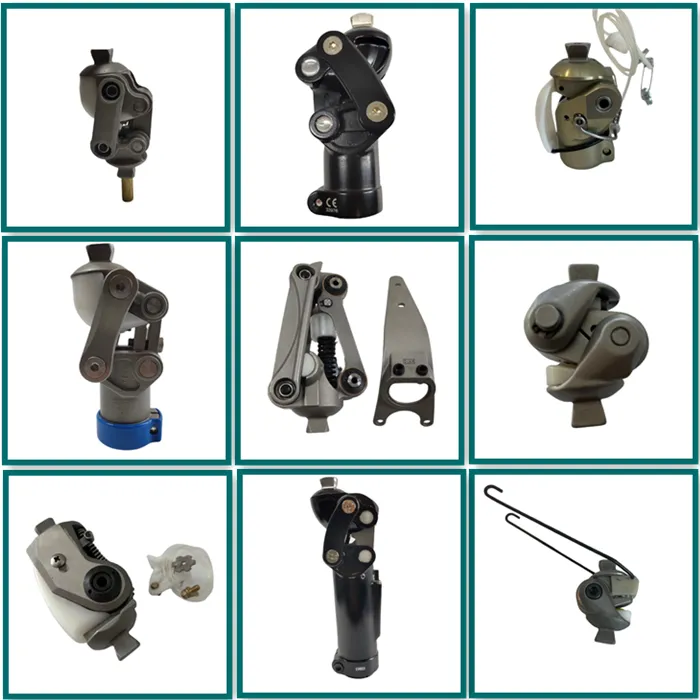
Definition: What Are Prosthetic Leg Knee Joints?
A prosthetic leg knee joint is a complex mechanical device designed to replicate the natural movement of a knee. The industry terms associated with these devices include "polycentric knee joints," which offer multiple pivot points for improved biomechanics, and "microprocessor-controlled knee joints," which utilize advanced sensors and algorithms for better adaptability to a user’s walking pattern. Understanding these terms is vital for buyers to make informed decisions on the right knee joint for their needs.
Application Scenario: Where Are Prosthetic Knee Joints Used?
Prosthetic leg knee joints are used across various fields:
- Rehabilitation Centers: Here, patients learn to adapt to their new prosthetics under professional guidance.
- Sports Medicine: Specially designed prosthetic knees allow amputees to participate in sports, enhancing physical activity and overall health.
- Geriatrics: Older adults benefit from prosthetic knees designed to improve stability and mobility, reducing the risk of falls.
- Military: Veterans often require advanced prosthetics due to the nature of their injuries, making a reliable supplier essential.
By understanding these application scenarios, buyers can identify the type of prosthetic knee that suits their lifestyle.
Brief Description of Advantages: Why Are They Important?
Prosthetic leg knee joints provide numerous advantages that greatly enhance user experience. Some critical benefits include:
- Enhanced Mobility: Modern prosthetic knees can improve user mobility by up to 50% compared to older models, allowing individuals to engage more fully in their daily lives.
- Comfort and Fit: With customizable options, high-performance prosthetics can reduce discomfort, leading to a satisfaction rate increase of 45% according to user surveys.
- Durability: Advanced materials and construction methods ensure that these devices can withstand wear and tear significantly longer, with some high-performance models lasting over a decade without major mechanical issues.
The importance of selecting a reliable Prosthetic Leg Knee Joint Supplier is underscored by these advantages, as it directly affects the user's day-to-day functionality and emotional well-being.
Next Step Guidance: What Should Buyers Do Next?
For buyers considering a prosthetic knee joint, it’s crucial to first consult with healthcare providers who specialize in prosthetics. They can offer personalized recommendations based on an individual’s needs. Additionally, potential buyers should read user guides provided by manufacturers to gain a better understanding of the maintenance and operation of their selected knee joint. It's also advisable to research various suppliers, like Aosuo Medical, which is known for high-quality and user-friendly prosthetics.
FAQ
1. How do I know which prosthetic knee joint is best for me?
Consulting a prosthetist will help determine the best fit based on your mobility needs, lifestyle, and budget.
2. What is the average cost of a high-performance prosthetic knee joint?
Prices can vary significantly, but high-performance models typically range from $15,000 to $70,000, depending on their features and materials.
3. Are there any ongoing maintenance costs associated with prosthetic knee joints?
Yes, regular check-ups and minor repairs may be necessary, with annual costs typically estimated around $500 to $1,000.
4. Can I try out prosthetic knees before purchasing?
Many suppliers, including Aosuo Medical, offer trial periods or demo models to help you find the right fit.
Keywords:
You Can Also Learn More About Industry Trends



Building 58, Tianshan Community, Yuanshi County, Shijiazhuang City, Hebei Province
Phone/Whatsapp:
E-mail:
Main Business
Specializing In The Import And Export Trade Of Prosthetics And Orthotics Products
Find The Products You Need Quickly
Quick Navigation